Polar Bears: Trade, Politics and the Illusion of Protection (2019-2026)
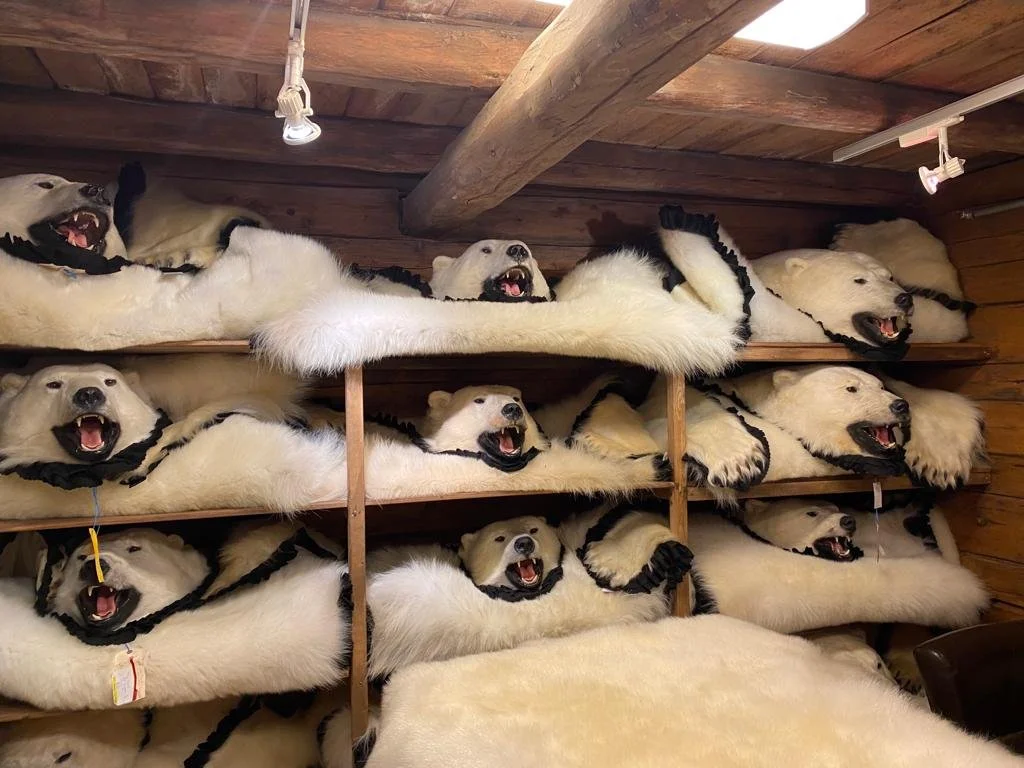
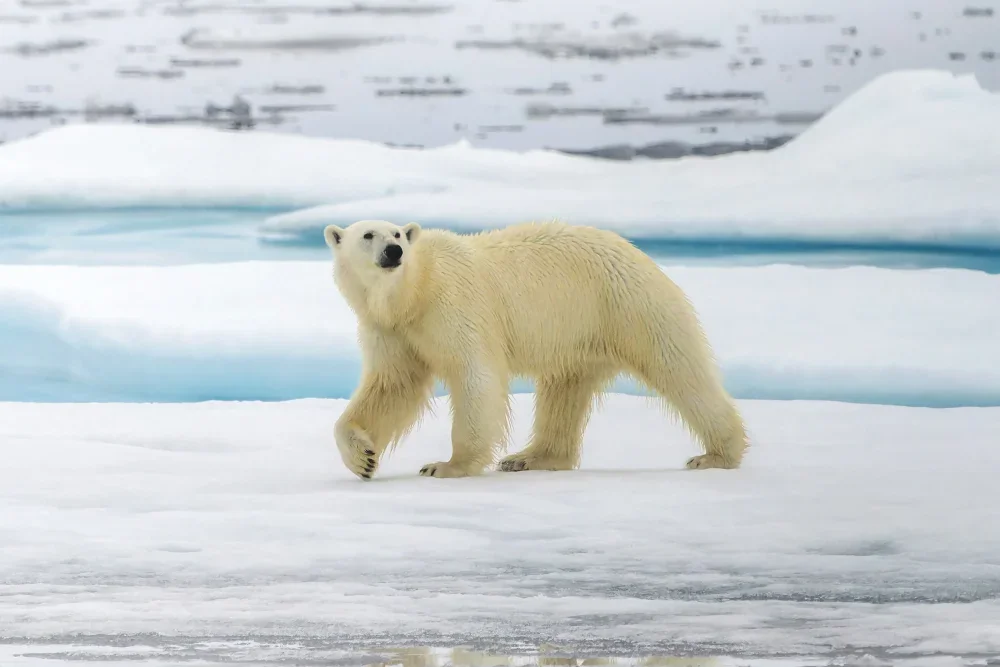
The polar bear (Ursus maritimus) has become the global symbol of climate change. Yet beyond the melting Arctic ice lies another, lesser-known threat: the legal international trade in polar bear skins. Despite their vulnerable conservation status, polar bears are still hunted and sold on global markets under a regulatory framework that allows commercial trade with permits.
Over a six-year investigation spanning nine countries, the documentary Trade Secret, directed by Abraham Joffe, followed an international team of investigators examining how polar bears continue to enter the global luxury market. The film traces the journey of bears from Arctic hunting grounds to international auctions, revealing how conservation policy, politics and commercial interests intersect in ways the public rarely sees.
The investigation also highlights how international decisions under the Convention on International Trade in Endangered Species (CITES) have repeatedly failed to ban the commercial trade in polar bears, leaving the species listed under a category that still permits international trade.
As part of this investigation, journalist Adam Cruise documented the politics behind the polar bear trade through reporting and analysis, including his article in The Guardian, examining the influence of governments, markets and conservation policy on the continued exploitation of one of the Arctic’s most iconic species.
Investigation Conclusion: The investigation reveals a troubling contradiction: while polar bears are widely portrayed as victims of climate change and in need of urgent protection, the international system governing wildlife trade still allows them to be commercially traded.
Through the documentary Trade Secret, the investigation exposed how a species widely assumed to be protected remains part of a legal global market, with hundreds of bears killed and their skins sold internationally each year.
The findings highlight how conservation frameworks, political negotiations and commercial interests can blur the line between protection and exploitation. Ultimately, the investigation raises a critical question: how can the world claim to protect polar bears while simultaneously allowing them to be bought and sold?
Ending the international commercial trade in polar bears remains one of the most urgent steps toward ensuring the long-term survival of this Arctic predator.
See Trade Secret trailer here
See article in The Guardian here