
The Death of Cecil the Lion (July 2015)
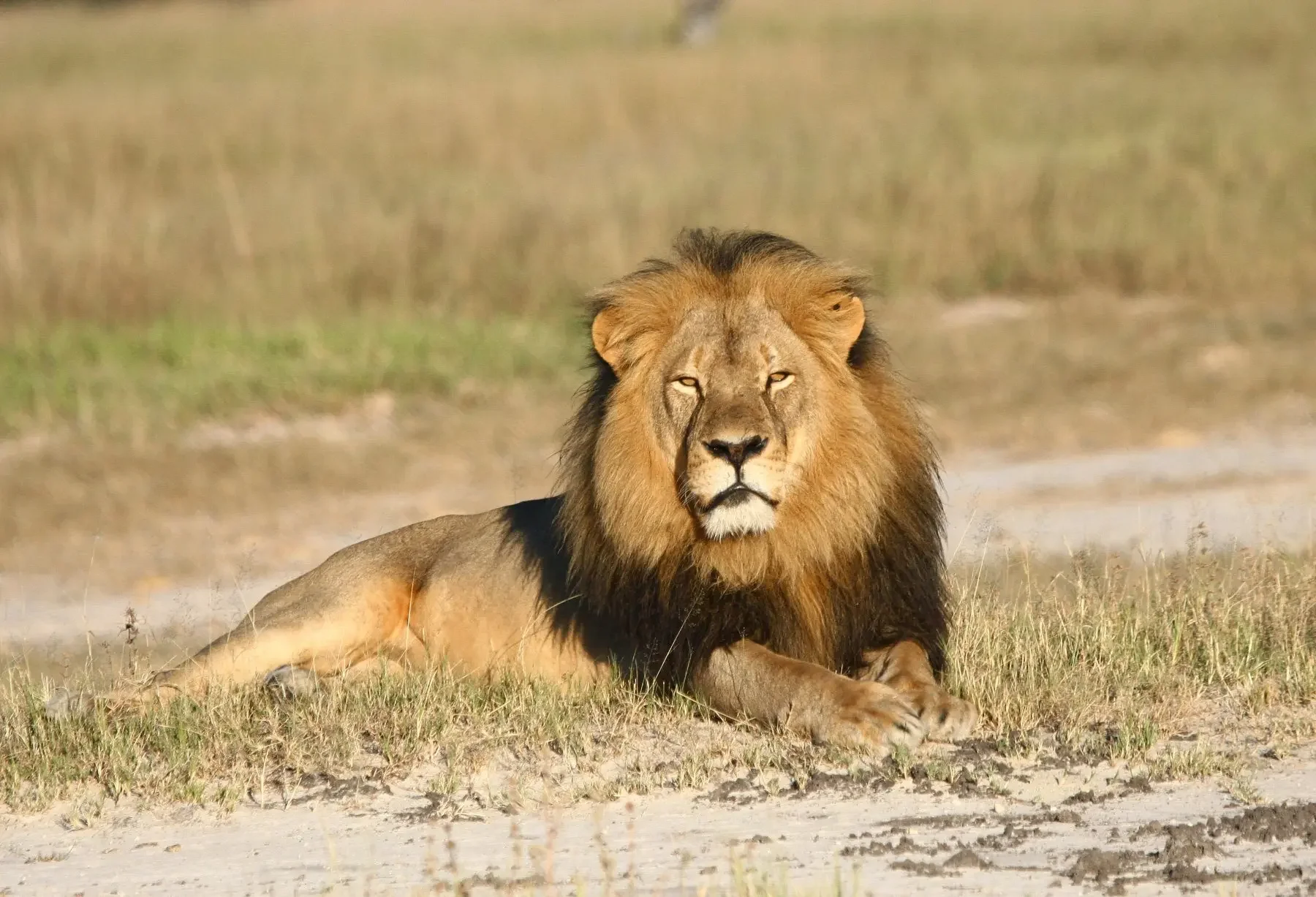
Cecil was a 13-year-old black-maned lion that lived primarily in Zimbabwe’s Hwange National Park and was part of a long-term Oxford University research project studying lion populations. Because of his distinctive mane and GPS tracking collar, he was one of the park’s best known lions and was familiar to researchers, guides and visitors alike. On the night of 1 July 2015, Cecil was lured out of the protected boundaries of the national park onto neighbouring land where trophy hunting was permitted. An American trophy hunter, Walter Palmer, shot the lion with a compound bow after bait had reportedly been used to draw him from the park. The shot did not kill Cecil immediately. Severely wounded, he moved away from the area and was tracked for many hours before being located and killed the following day. After the lion died, he was skinned and beheaded for a trophy and his tracking collar was removed and discarded. The circumstances surrounding the hunt quickly raised serious questions about whether the lion had been illegally lured from the park and whether wildlife regulations had been violated.
The killing remained largely unknown beyond a small circle of conservationists and researchers until it was uncovered through investigative reporting. Wildlife investigative journalist Adam Cruise documented the circumstances of the hunt, confirmed that the lion killed was Cecil and established that the animal had been taken by a foreign trophy hunter after being drawn out of Hwange National Park. On 20 July 2015, Cruise published the first report revealing the killing in an article titled “Sport hunters killed Cecil, Zimbabwe’s best-loved lion.” The story was the first published account to identify the lion and describe how the hunt had taken place, bringing the incident into the public record and exposing the details of the killing.
Investigation conclusion: Following the publication of Cruise’s report, the story rapidly spread across international media. News organisations around the world picked it up within days, transforming the killing of a single lion into one of the most widely reported wildlife stories in modern times. Public reaction was swift and intense, with widespread outrage expressed across social media and global news platforms. Cecil quickly became a symbol in the global debate over trophy hunting and wildlife conservation. What began as a single investigative report grew into a worldwide story that sparked international discussion about the protection of African lions and the ethics of trophy hunting.
First published article:News24
