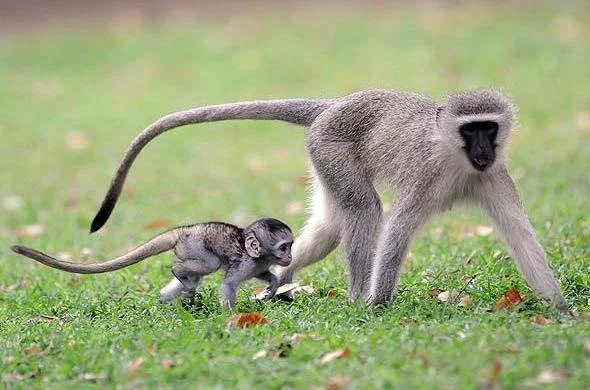
An Investigation into South Africa’s Trade in Wild Baboons and Vervet Monkeys (August 2026)
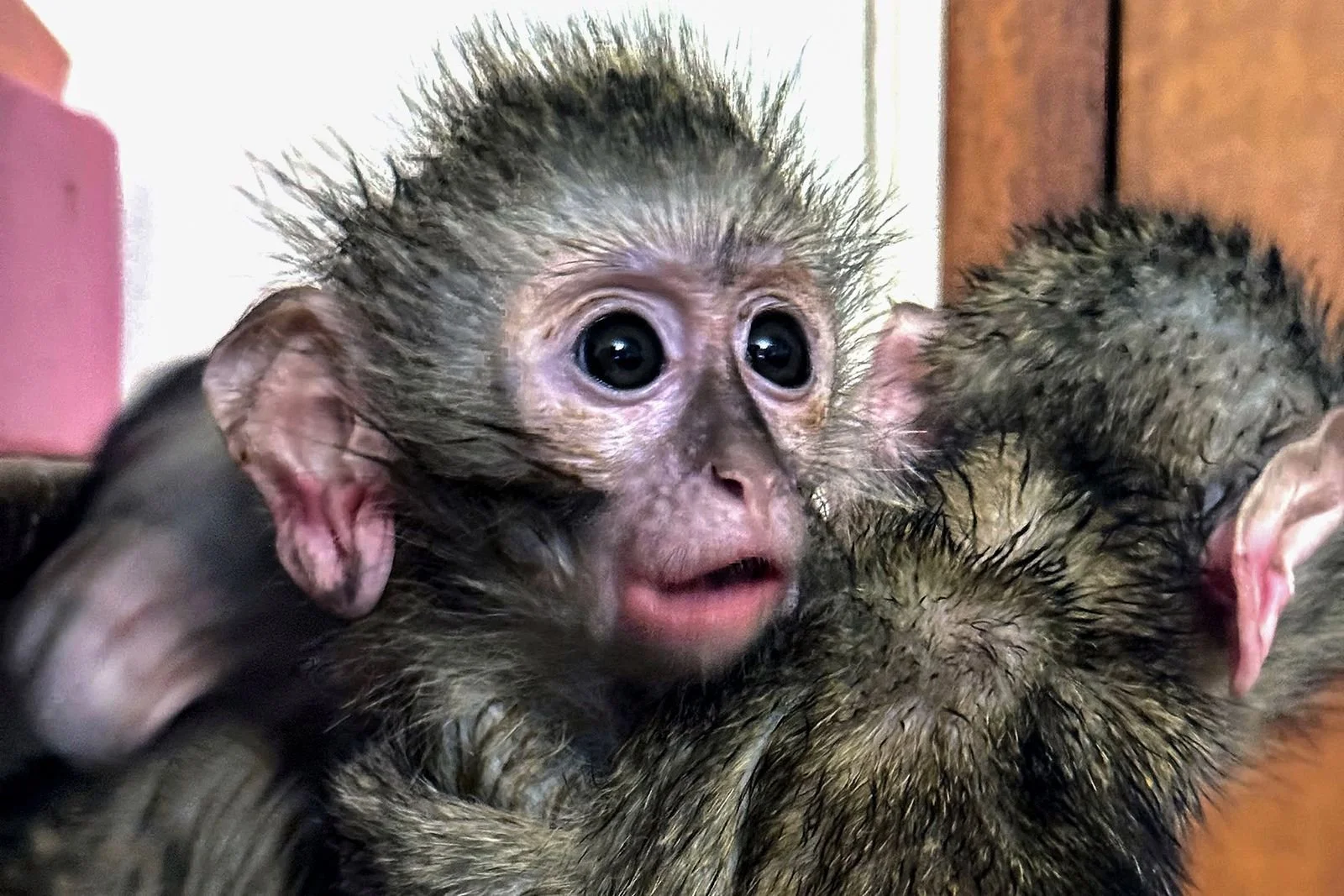
An investigation into South Africa’s international trade in indigenous wild primates, drawing on government export records, parliamentary disclosures and research into the global market for hunting trophies and animal skulls, revealed the considerable scale of an industry operating largely beyond public scrutiny.
Analysis of Department of Forestry, Fisheries and the Environment (DFFE) export authorisations for 2023 and 2024 identified 4,417 chacma baboon and vervet monkey trophy items and skulls authorised for international export. These included 3,146 trophy items and 1,271 skulls, of which at least 1,106 were specifically authorised for commercial purposes.
The investigation also traced the international commercial market for primate remains, particularly in the United States, where baboon and vervet monkey skulls are openly marketed to collectors, taxidermists, osteological suppliers and wildlife specimen dealers.
Investigation conclusion:
The findings expose a substantial and poorly scrutinised trade in South Africa’s indigenous primates, sustained through trophy hunting, commercial wildlife dealing and an international market that places monetary value on the bodies of wild animals. Of particular concern is the absence of a comprehensive national population census for chacma baboons and vervet monkeys, raising serious questions about how the sustainability of this trade is determined.
Government records further fail to establish the circumstances under which individual animals were killed or whether primates destroyed under damage-causing animal or population-management provisions subsequently enter commercial supply chains. Although export authorisations do not necessarily represent completed shipments, the scale of the permitted trade raises significant concerns about transparency, accountability and the ethical foundations of wildlife governance.
Ultimately, the investigation reveals a system in which highly intelligent, socially complex wild primates are reduced to hunting trophies, skulls and commercial commodities, while the ecological justification and ethical legitimacy of their killing remain inadequately examined.
See article in Daily Maverick Here